Recycling and Sustainability at Cleaners NW10
 Cleaners NW10 is built around a simple idea: professional cleaning should support a cleaner neighbourhood as well as a cleaner home. Our cleaning and recycling approach in NW10 focuses on reducing waste, improving material recovery, and making everyday operations more sustainable. From low-carbon vans to careful sorting of reusable materials, we aim to keep our environmental footprint as small as possible while still delivering a reliable local service.
One of our key targets is to reach and maintain a recycling rate of at least 90% for suitable service waste, packaging, and segregated materials. That includes cardboard, paper, plastics, metal containers, and select textiles where recovery is possible. We also track the disposal of non-recyclable residues so we can continue to improve. This commitment is central to our NW10 eco-cleaning approach and helps support wider borough efforts to reduce landfill use.
 In practice, sustainability starts with separation. Many boroughs across northwest London encourage residents and businesses to sort dry mixed recycling, food waste, and general waste into different streams, and we follow that same principle in our day-to-day work. Our cleaners use clearly labelled containers for reusable, recyclable, and non-recyclable items, which makes it easier to send each material to the right destination. This kind of organised sorting is especially important in busy urban areas where contamination can quickly reduce the value of recyclables.
We also work with local transfer stations to support efficient waste handling. By using authorised facilities close to NW10, we can reduce unnecessary mileage, keep loads consolidated, and make sure recyclables are passed on to the correct treatment routes. Choosing nearby transfer points is not only practical; it also helps lower transport emissions and supports a more circular cleaning service. Our sustainable cleaning in NW10 model is designed to work with the local infrastructure rather than against it.
Another important part of our recycling and sustainability plan is our partnership with charities and community organisations. Where items are still in good condition, we prioritise donation or reuse before recycling. This can include surplus office supplies, soft furnishings that meet safety standards, and selected household items recovered during clearance-related cleaning tasks. By extending the life of usable goods, Cleaners NW10 helps reduce waste while supporting causes that benefit local people. Reuse is often the highest-value option in the waste hierarchy, and we take that seriously.
 Our vehicle strategy also plays a major role. We operate low-carbon vans that are chosen to reduce emissions on local journeys and short service routes. In an area like NW10, where traffic congestion and stop-start driving are common, cleaner vehicles can make a meaningful difference. We plan routes carefully, combine visits where possible, and avoid unnecessary trips, which further cuts fuel use. This supports both air quality and our broader goal of delivering eco-friendly cleaning services in NW10.
Recycling activity in the area is shaped by the needs of local borough systems, and we adapt our operations accordingly. For example, borough waste separation rules often distinguish between paper and card, mixed containers, glass, garden waste, and food waste, so our teams are trained to stay aware of what goes where. When a service produces multiple waste types, we keep them separate from the start rather than trying to sort them later. That approach improves recovery rates and supports cleaner streams for processing.
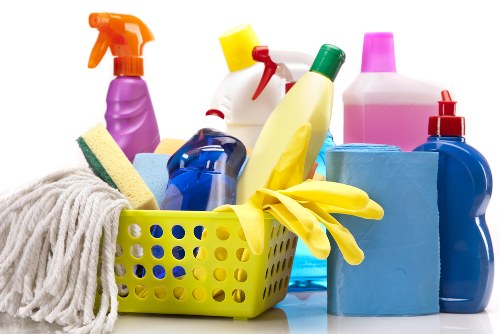
We also place a strong emphasis on packaging reduction. Whenever possible, we buy in bulk, choose concentrated formulas, and prefer refillable or recyclable containers. This cuts the amount of single-use plastic entering our workflow and reduces the volume of waste sent onward. For a cleaning company in NW10, these small operational choices add up quickly, especially across recurring services. Sustainability is not just a policy; it is reflected in the products we use and the way they are stored, transported, and consumed.
Training is another important element. Team members are shown how to recognise recyclable materials, avoid contamination, and separate specialist waste responsibly. That includes being mindful of items such as batteries, electrical accessories, and damaged containers, which require different handling from standard dry recyclables. By building these habits into everyday cleaning work, Cleaners NW10 ensures that waste management remains consistent, practical, and compliant with local requirements.
 Our sustainability efforts also include regular review. We monitor recycling volumes, transport use, and waste outcomes so we can spot opportunities to improve. If a material stream is regularly underperforming, we look at whether the issue is caused by packaging, collection habits, or sorting errors. This measured approach allows us to refine our NW10 recycling services over time rather than relying on static targets.
Local partnerships matter too. We aim to support businesses, landlords, and community groups that want to strengthen their own recycling practices. That may involve helping them separate office paper from mixed waste, keeping cardboard dry and clean for collection, or identifying suitable routes for reusable items. Because NW10 sits within a busy part of London with varied property types, flexible waste separation is often the most effective solution.
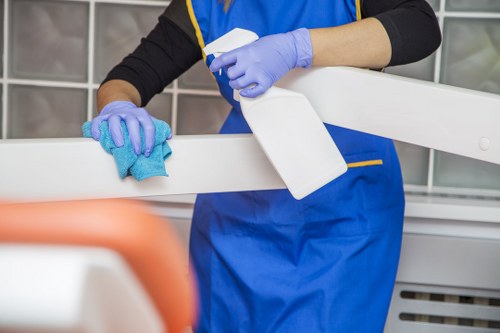 Ultimately, our recycling and sustainability promise is about responsibility. Cleaners NW10 wants to leave every site better than it was found, not only in appearance but in environmental performance. Through a 90% recycling target, local transfer station use, charity partnerships, and low-carbon vans, we are steadily building a more sustainable cleaning service for the area. It is a practical approach that supports local waste systems, reduces avoidable emissions, and helps keep NW10 moving toward a greener future.